Language & Culture
The territory of NunatuKavut is built on a foundation of deep cultural continuity, rooted in the land and shaped by the strength of our ancestors. Our people are guided by generations of Inuit knowledge, leadership, and lived experience.
We are working every day to uphold the values passed down through generations – care, respect, resilience – while advocating for our rights, revitalizing our language, and ensuring our knowledge is carried forward.
From new cultural programs and land-based learning to youth engagement and self-governance efforts, NunatuKavut Inuit are preserving our traditions by living them, evolving them, and building a future where they can remain strong.
Land, Waters, and Ice
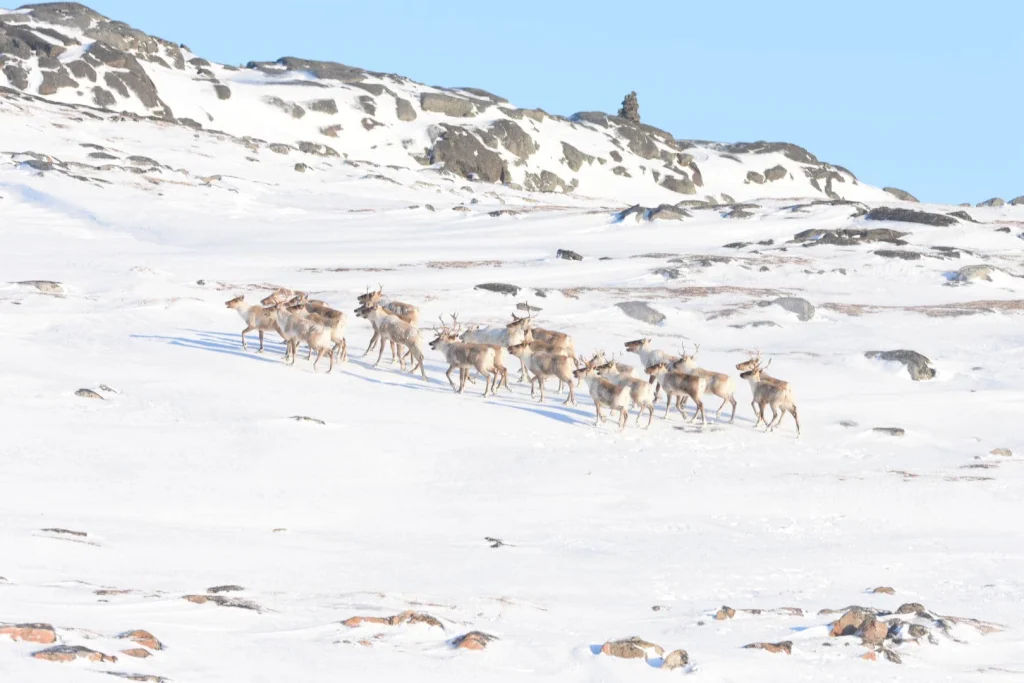
For generations, NunatuKavut Inuit have relied on the land, sea, and ice for survival. Today, our people continue to hunt, fish, trap, and gather in the same places our ancestors did.
Until the 1980s, our families practiced a seasonal way of life rooted in Inuit tradition. We moved with intention – wintering in sheltered bays to hunt caribou, trap fur-bearing animals, and cut firewood inland, then shifting to the coast in spring, summer, and fall to harvest cod, salmon, char, migratory birds, and seals.
This traditional pattern of movement – known as ‘shifting’ – was more than a way of life. It guided our relationships with nature, grounded by our ancestors’ deep knowledge of seasonal rhythms. That connection endures through us today, with the lands, waters, and ice of NunatuKavut remaining central to our identity.
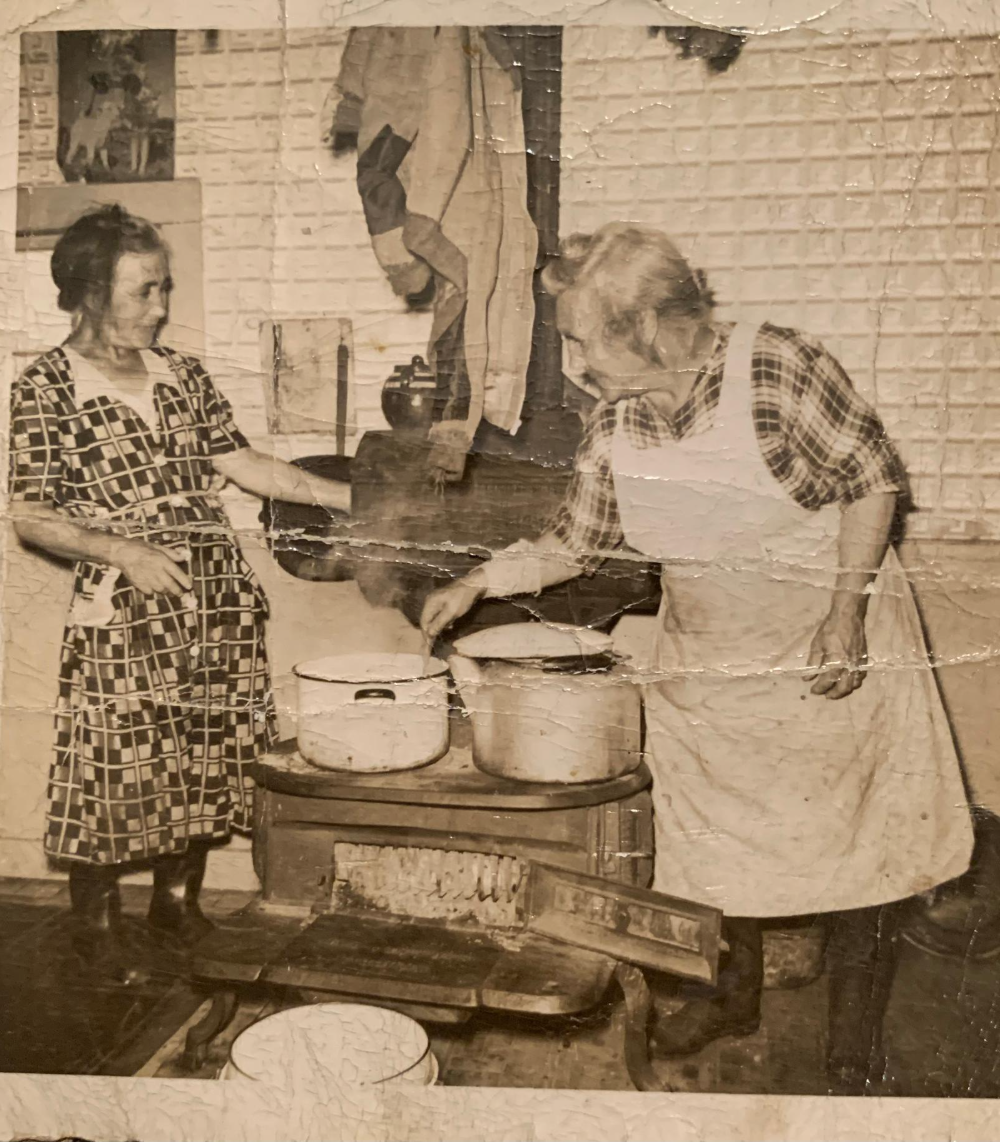
NunatuKavut Women
From the birthing rooms of Black Tickle and Batteau to the craft tables of Happy Valley-Goose Bay, NunatuKavut women have always been at the heart of our communities – building families, sharing knowledge, advocating for justice, and shaping our story.
They have served as healers, midwives, artists, and organizers. They raised children, and not just their own – but any in need of care. They sewed sealskin boots and stitched quilts from scraps. They played music, told stories, and kept our traditions alive across generations.
Whether midwives, craftswomen, Elders, caregivers, educators, or modern-day leaders, NunatuKavut women have been essential to community survival and strength – especially during times of hardship like forced settlement, residential schools, and land loss.
Today, their legacy continues in the young women of NunatuKavut who are reclaiming our language, leading research, pursuing education, and guiding us toward a future rooted in community, culture, and care.
Their strength lives on.
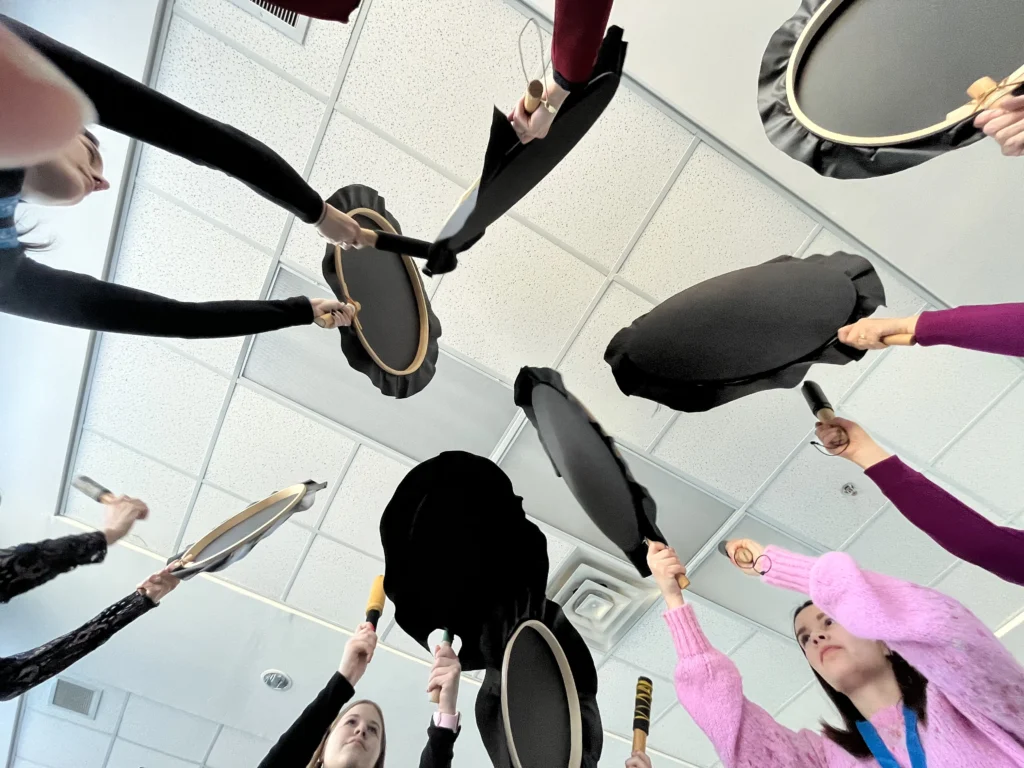
The Drum
The drum is the heartbeat of NunatuKavut Inuit culture, connecting past, present, and future. Once used to guide ceremony, honour milestones, and share stories, the drum’s voice was nearly silenced by colonization.
Today, drumming is a living tradition. From gatherings and cultural events to classrooms and youth programs, every beat – low and steady – is an act of resilience. Each rhythm carries the voices of our ancestors and calls our people together, echoing across the land, ice, and water.
Map Tour
For generations, NunatuKavut Inuit lived seasonally, moving with the rhythms of the land and wildlife. In spring and summer, families travelled to coastal areas to hunt seal and fish for salmon and cod. In fall and winter, they returned to sheltered bays to trap, harvest firewood, and prepare for the cold months. Berries were gathered in late summer and autumn, forming an important part of our seasonal harvest.
Although permanent settlement in recent decades has changed how we move through our territory, our connection to these places remains strong. We continue to hunt, fish, harvest, and trap across our homelands – and we bring our youth and children with us, passing down the knowledge, values, and skills of our ancestors.
Place Names
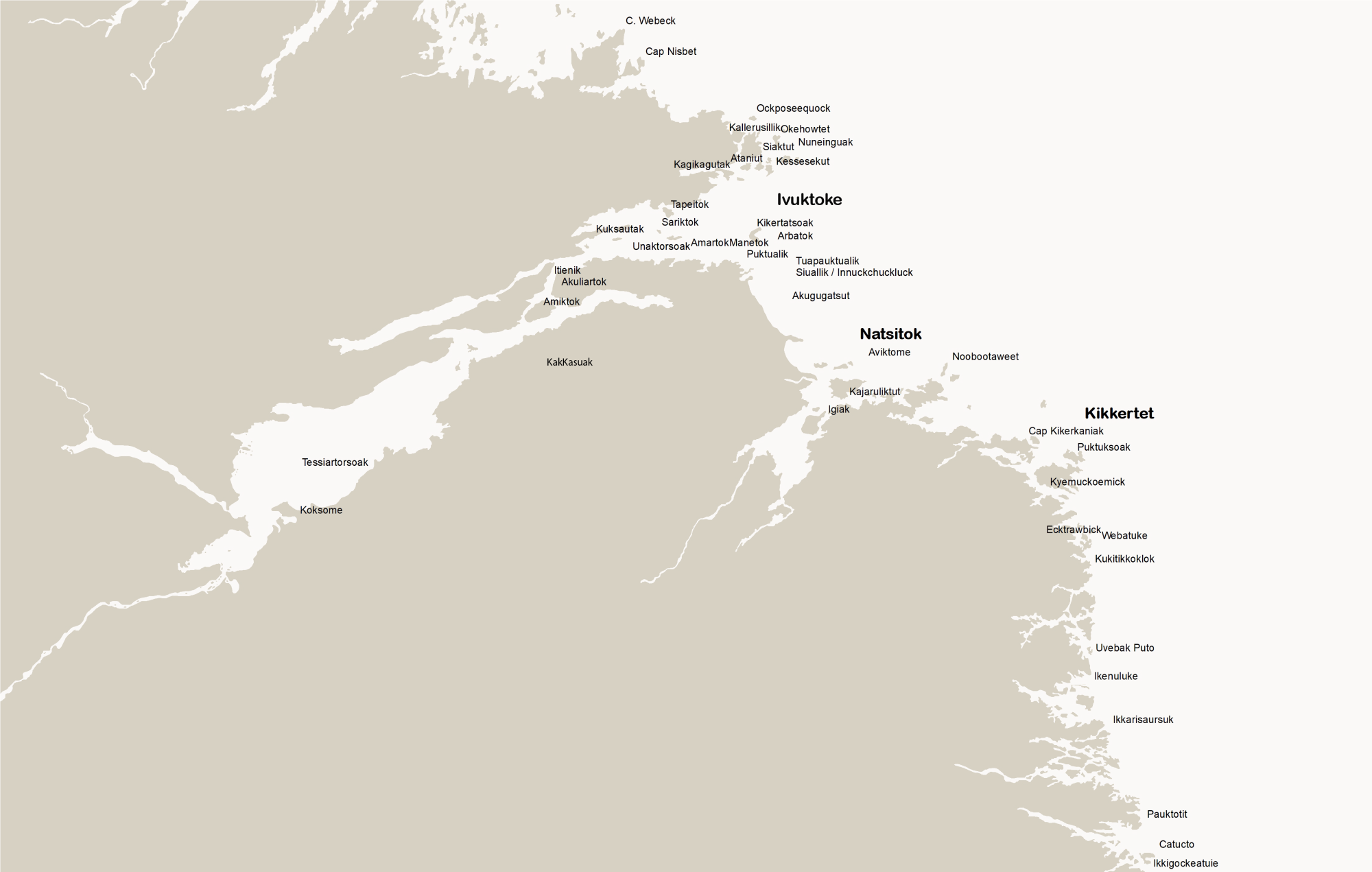
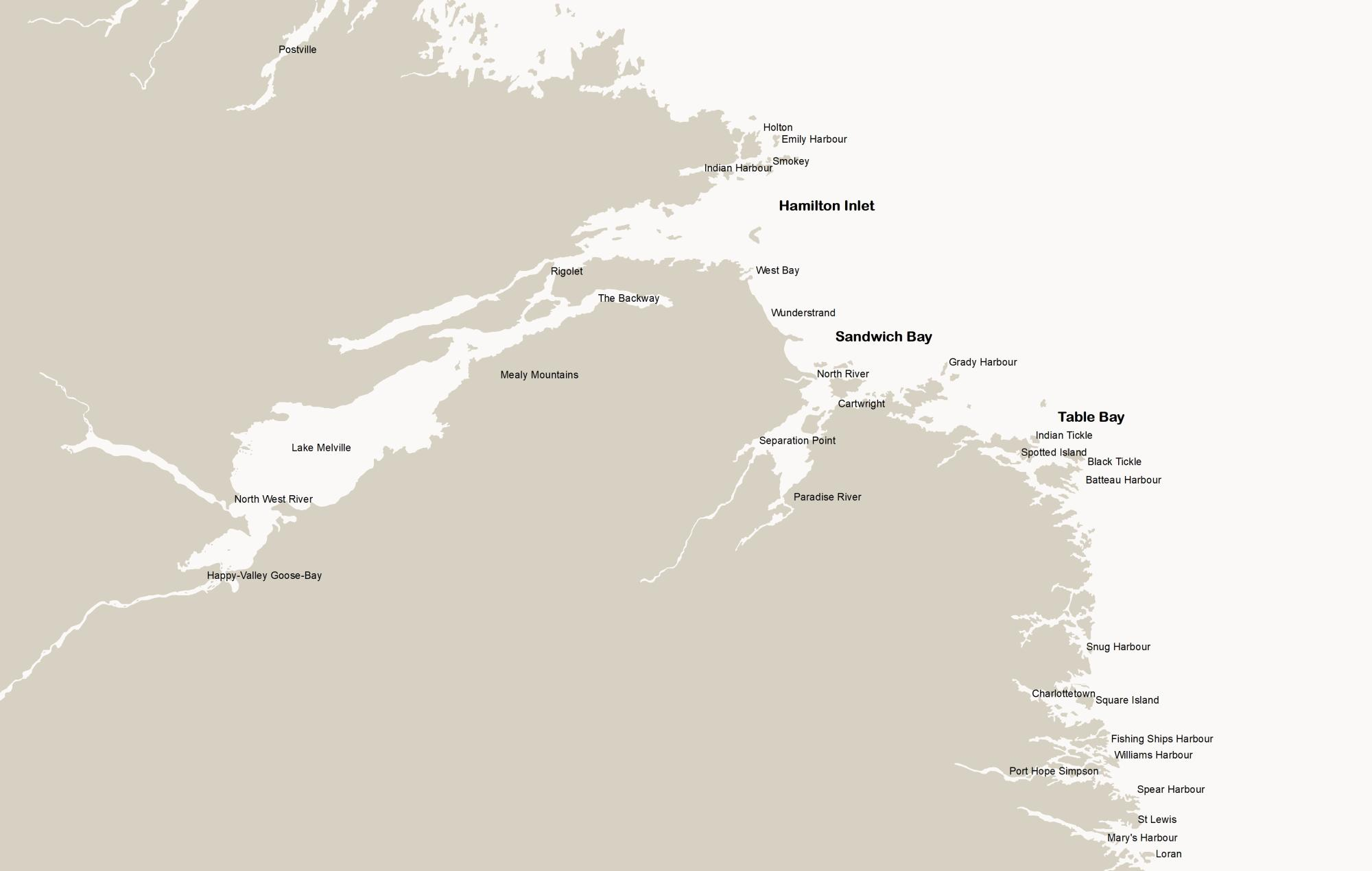
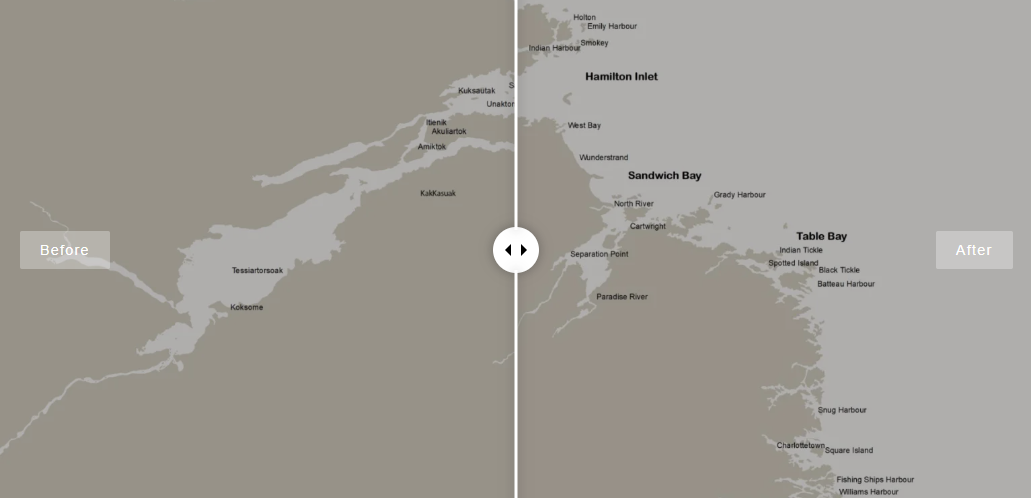
Many of the places across our homeland were named in Inuttitut long before European contact. Early European visitors often recorded these Inuit place names, sometimes phonetically or with altered spellings. The map below reflects this layered history, showing Inuttitut names alongside their various historical spellings.
As colonizers asserted control over the land, they imposed new names on these places — an attempt to claim ownership and erase our language and presence. For example, Ivuktoke is the original Inuttitut name for the bay later renamed La Baie des Esquimaux by the French and Hamilton Inlet by the British, after Sir Charles Hamilton (the Governor of Newfoundland between 1818 and 1823).
Scroll across to see how names have changed, and how they reveal the deliberate effort of the British to claim the area.
To learn more about the history of Inuttitut in NunatuKavut and what revitalization means to NunatuKavut Inuit from this region, we invite you to read “A Historical Account of Inuttitut in Southern Labrador,” written by Dr. Andrea Procter.
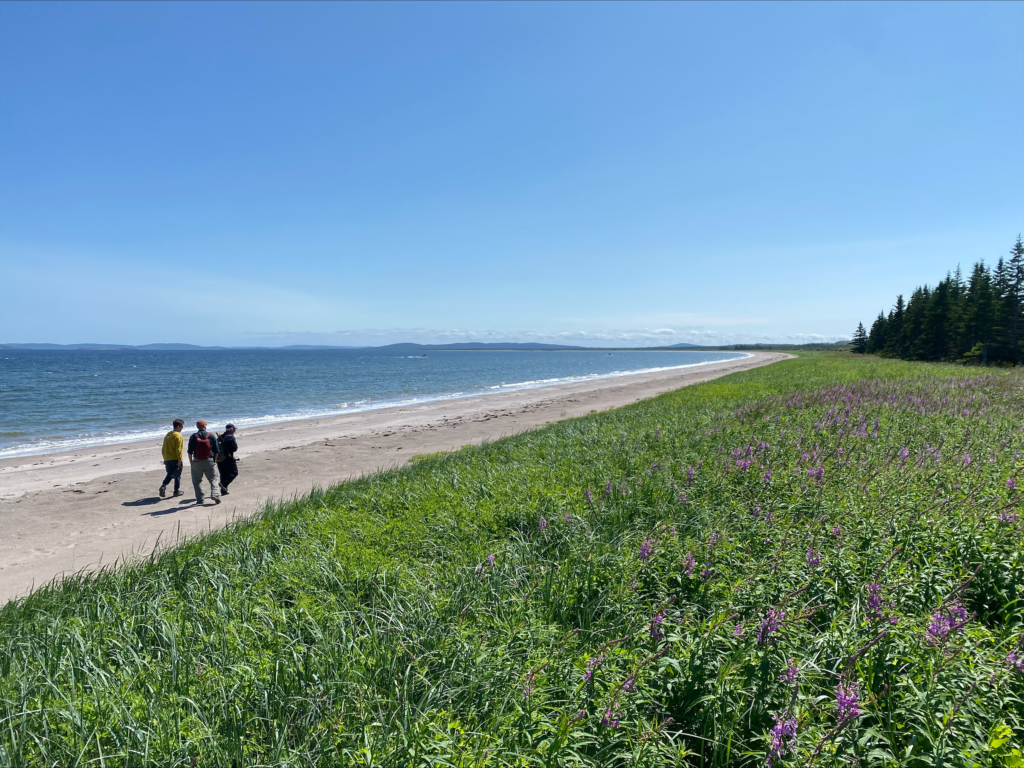
National Park Reserve
Akami-Uapishkᵁ-KakKasuak-Mealy Mountains
NunatuKavut Inuit have lived in and traveled throughout the lands and waters of the Akami-Uapishkᵁ-KakKasuak–Mealy Mountains National Park Reserve for generations.
Families once settled in small villages along its edges – in Sandwich Bay, Porcupine Strand, and Lake Melville – while hunters and trappers journeyed upriver and into the mountains in search of caribou and fur-bearing animals.
In 2017, the NunatuKavut Community Council and Parks Canada signed a Shared Understanding Agreement (SUA). This SUA reflects our commitment to consultation and cooperative park management that reflects our connection to this land and our responsibility to care for it.
Today, our families continue to hunt, harvest, trap, and fish across our territory, including within Akami-Uapishkᵁ-KakKasuak-Mealy Mountains National Park Reserve. Species like seal, caribou, cod, and salmon remain central to our way of life and cultural identity.
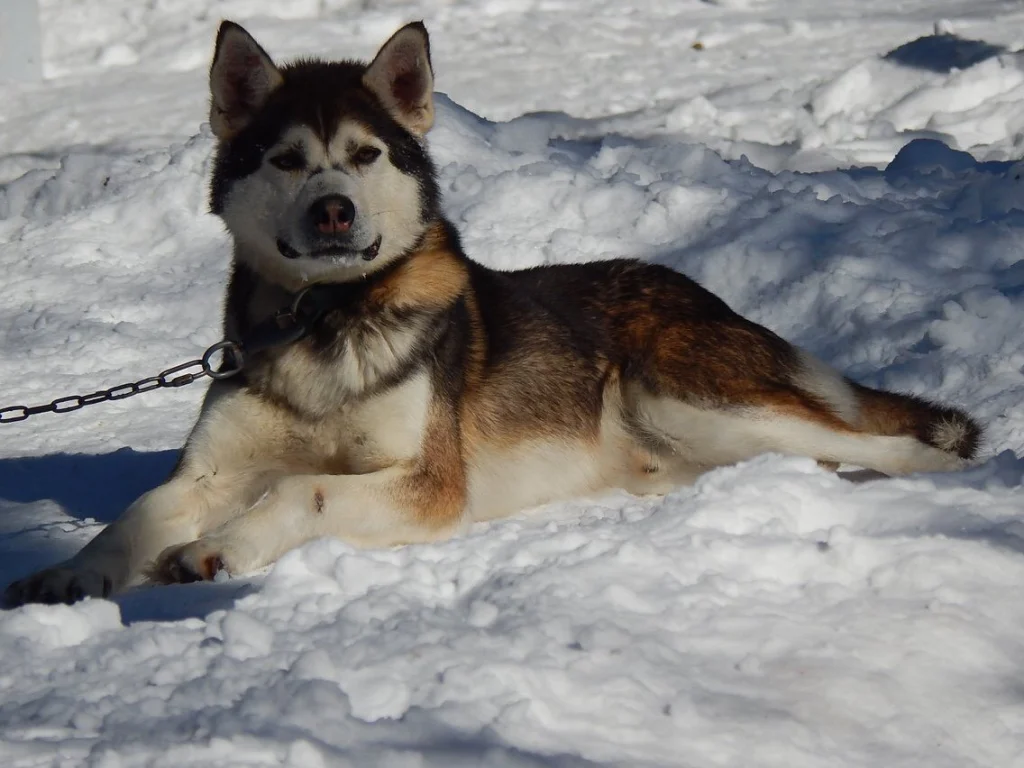
Dog Teams
The dog team (‘Kimmutsik’ in Inuttitut) is an important part of life in NunatuKavut. Traditionally, they helped families shift between seasonal homes, supported hunters and trappers in providing for their loved ones, and made it possible to travel long distances across our homeland – connecting people, places, and communities.
Even after snowmobiles became common in the 1960s, many have continued to keep dog teams, not just for their utility, but for the deep bond they represent. To this day, dog teams are cherished members of our families and a living symbol of our connection to the land.