

Stand Against Memorial University’s
DISCRIMINATORY VERIFICATION POLICY.
Feedback is no longer enough. Memorial’s Board of Regents is set to vote on the ratification of this policy as early as February 2026. Call on the Board to do what’s right.
ABOUT THE POLICY
Memorial University’s draft Indigenous Verification Policy excludes NunatuKavut Inuit who occupied South and Central Labrador prior to European contact and any assertions of Canadian Sovereignty.
The result is a politicised policy that erases a recognized Indigenous people from the academic, social, and cultural spaces of Newfoundland and Labrador’s only university.
If enacted in its draft form, not only would the policy bring undue harm to existing Memorial students, faculty, and staff; but it would contradict decades of Memorial’s own scholarship and, through mechanisms like the “Neighbour Clause”(which has no basis in Canadian Law, Indigenous legal traditions, or international law), verification of Indigeneity would be subject to the whims of ever-changing political climates between Indigenous groups.
The Board must put politics aside and do what is right. Make our voices are heard.
What’s wrong with the policy?
In its current form, the draft policy outsources Indigenous recognition to third parties, narrows who “counts,” and asks the university to weigh in on live constitutional questions—choices that risk harm to students and expose the institution to avoidable legal and reputational consequences.
The “Neighbour Clause”
Memorial’s “Neighbour clause” requires acceptance by “federally recognized neighbours” in order for a student or applicant to receive Indigenous verification. This mechanism has no basis or precedence in Canadian, Indigenous, or international law, and is entirely unique to Memorial University’s draft policy.
Put into practice, the university is simply passing the buck—delegating legitimacy to potentially hostile, unobjective third-parties and tying the process to ever-changing geopolitical climates.
In our case, as part of the “Neighbour Clause”, our recognition/verification would be outsourced to members of the Nunatsiavut Government and Innu Nation—two Governments vehemently opposed to our existence.
Where’s the fairness in that?
Durable, principled standards like the Tri-Council Policy Statement and United Nations Declaration on the Rights of Indigenous Peoples already exist, so why isn’t Memorial following them?
Mis-framing Section 35
Section 35 of the 1982 Constitution Act was designed to protect the rights of Indigenous collectives who existed before the existence of Canada. It is not a tool that defines “who is Indigenous”.
And yet, the draft policy treats it like one. Taking things one step further, and despite the inclusion of NunatuKavut Inuit in the Constitution of Memorial’s own Labrador Campus, the draft policy excludes communities in active federal processes. This would make NunatuKavut Inuit (among other Indigenous groups in the province) effectively “non-verifiable”— despite a signed 2019 MOU between the Canadian Government and our people explicitly acknowledging our capacity to hold Section 35 rights.
By restricting acceptable documents and narrowing the terms of recognition beyond what is commonly practiced under Canadian law/legal precedent, Memorial is pulling itself into deciding Section 35 questions that belong to Federal courts and treaty tables. These are decisions for legal scholars and judges to make, not university administrators.
Is this really a risk Memorial—and by extension, the Provincial Government—is willing to take on?
Contradicts Memorial’s Own Record of Research
For decades, peer-reviewed work, archival sources, and major commissions have documented NunatuKavut Inuit presence and continuity in South and Central Labrador. Memorial University themselves has played an instrumental role in facilitating some of the most eminent researchers in their findings on the matter—with 83% of published articles and theses being authored by Memorial and Memorial-adjacent researchers.
A policy that narrows “who counts” despite this record disposes of any academic integrity and sends a signal that campus research can be set aside by the whims of administrative bias.
Who would want to work or study at a university willing to discredit its own scholarship?
Lack of Procedural Fairness
Fair policy processes require transparency, impartial decision-makers, meaningful participation by all affected parties, and a genuine opportunity to respond to adverse claims.
This draft delivers none of those safeguards.
Instead, Memorial is asking communities to submit to a verification process shaped without their involvement, assessed using opaque criteria, and influenced by third parties with known conflicts of interest.
Aren’t universities expected to model due process and ethical decision-making?
The reality is that NunatuKavut Inuit were never given a meaningful opportunity to review, challenge, or respond to claims made about our identity—despite those claims being used to inform policy outcomes with real consequences for our students and community.
Does that sound like ‘procedural fairness’?
IMPACT ON NCC STUDENTS FACULTY AND STAFF

For students, the message is devastatingly clear: some Indigenous students are welcome, and others are not. No student should have to justify their belonging and defend their identity to pursue an education, or fear being erased by the very institution that claims to champion reconciliation.
For faculty and staff, this policy forces them into the impossible position of working within an institution that actively undermines their legitimacy. It creates a chilling environment where NunatuKavut Inuit professionals are treated as conditional members of the academic community – their presence questioned, their contributions undervalued.
This policy also introduces serious uncertainty to current and ongoing academic research. Beyond the possibility of canceled projects, it opens the door to the possible removal of established and existing curriculum and programs – including decades of work – developed in partnership with NunatuKavut Inuit. This is far from higher learning.
IMPACT ON NCC COMMUNITY
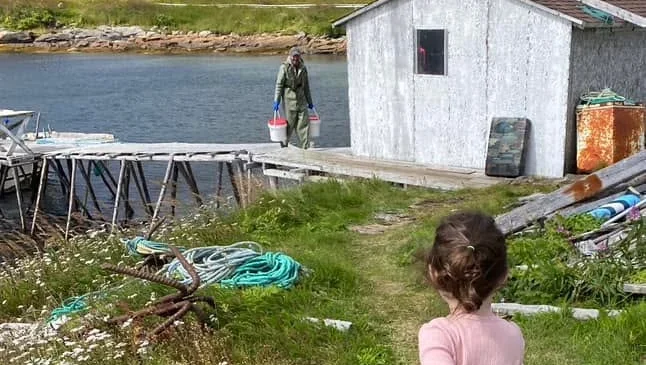
The exclusion of NunatuKavut elders, youth, and community members from opportunities at Memorial University is modern day erasure. It undermines our right to participate fully in academic, cultural, and social spheres. It sends a message that the rich history and ongoing contributions of our people are not valued or recognized as worthy of being taught.
Policies like this deepen mistrust, fracture relationships among Indigenous peoples, and fuel lateral violence in a province that should be doing everything in its power to support healing, unity, and justice.
The result? A political and legal stand-off that exposes the lasting damage of colonization on Indigenous Peoples – where we are forced to defend our identity not only to the Crown, but to one another.
IMPACT ON NCC ELDERS
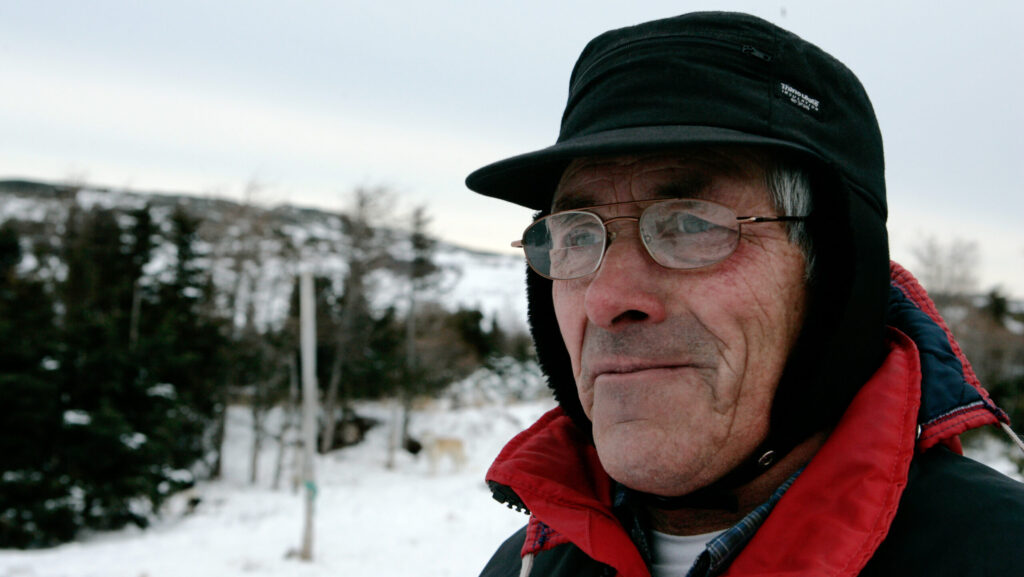
Under this policy our Elders would no longer be welcome guests in lecture halls, unable to contribute their perspectives to on-going research or curriculum. This is not just exclusionary – it is demoralizing. It is harmful. And it is fundamentally at odds with Memorial’s stated values of equity, academic excellence, and respect for Indigenous rights.
LEGAL AND HISTORICAL CONTEXT
NunatuKavut Inuit are the Indigenous people of south and central Labrador. In 1765, the British Crown entered into a treaty with Inuit leaders at Chateau Bay — a nation-to-nation agreement that affirmed our rights to our land, self-governance, traditional harvests, and favourable trade. Those terms were recorded and submitted to the British Privy Council in 1769, offering one of the earliest legal recognitions of Inuit presence in this region.
Today, our people are engaged in a formal rights-based negotiation process with the Government of Canada, affirmed through a 2019 Memorandum of Understanding (MOU). The MOU recognizes the NunatuKavut Inuit as an Indigenous collective capable of holding Section 35 Aboriginal rights under the Canadian Constitution, and was upheld by the Federal Court in 2024.
It’s worth noting that Memorial University itself has recognized our people in the constitution of its Labrador Campus. Despite all this, their draft Indigenous Verification Policy excludes NunatuKavut Inuit voices and identity – relying on narrow, colonial definitions that dismiss lived experience, legal standing, and the history that continues to shape our communities.
This policy also ignores a painful truth. From 1906 to 1980, hundreds of NunatuKavut Inuit children – most between the ages of 6 and 16 – were forciby removed from their homes to attend residential schools across south and central Labrador. These children were separated from their families, communities, and culture, often experiencing neglect, abuse, and lasting trauma. Many of our people are direct descendants of these children, and the impacts of these policies are still deeply felt today.
Reconciliation requires action, it’s not just words. This is especially true for academic institutions like Memorial, which have a moral obligation to ensure history does not get swept under the rug. To implement a policy like this that further marginalizes the very communities who endured historic harm is beyond tone-deaf – it’s modern day erasure.
LATEST NEWS
Why This Matters @ Memorial:
Student Safety & Fairness: Exclusionary gates set up in this draft policy send a “not welcome” signal to NunatuKavut Inuit students and their families. Any appeals after harm are too little, too late.
Academic Integrity: A policy that contradicts evidence and published scholarship undermines trust in Memorial’s research standards.
Institutional Risk: This draft policy imposes a recognition regime that exposes the university to serious legal, reputational, and operational risks that it does not need to carry.
The Wider Repercussions:
Memorial’s “neighbour clause” model creates and entrenches Indigenous in-groups and out-groups by delegating legitimacy to third parties. This sets a dangerous precedent for national Indigenous organizations to widen their mandates into verifying Indigeneity—a role that belongs within Indigenous communities, not external political activists.
This policy also excludes other eligible Indigenous groups in NL and risks reshaping how institutions treat many Indigenous peoples. The draft’s narrow acceptance criteria mean communities that should qualify for recognition won’t be recognized, even where evidence, community governance, or active federal processes exist. That’s inequitable today and unworkable tomorrow.
Once published, policies travel—and the whole country is watching. A flawed model adopted at Memorial can be imported elsewhere, multiplying harm and fragmenting standards across Canada.
TO MEMORIAL’S BOARD OF REGENTS:
As stewards of Memorial University, your first duty is to the integrity, safety, and long-term reputation of the institution and everyone it serves. We’re asking you to hit ‘pause’ on the draft, convene a co-designed, evidence-based model with all rights holders at the table, and publish a clear path to a policy that reflects Memorial’s leadership values and academic standards.
TO OUR PEOPLE:
We know this policy hurts. For some, even reading about it is difficult and may be triggering. Mental health supports are in place and available should you or anyone you know need them:
The Hope for Wellness Help Line – 24 hours a day, 7 days a week for counselling and crisis intervention. Toll-free at 1-855-242-3310 or connect to the online chat.
811 – Available to residents of NL in need of medical advice and mental health and addictions support (available 24/7)
The Lifewise Warm Line – Mental Health Peer Support services and information for non-crisis situations. Available to all residents of NL 10AM-12AM Daily (EN) 1-855-753-2560 (FR) 1-833-753-5460
TAKE ACTION
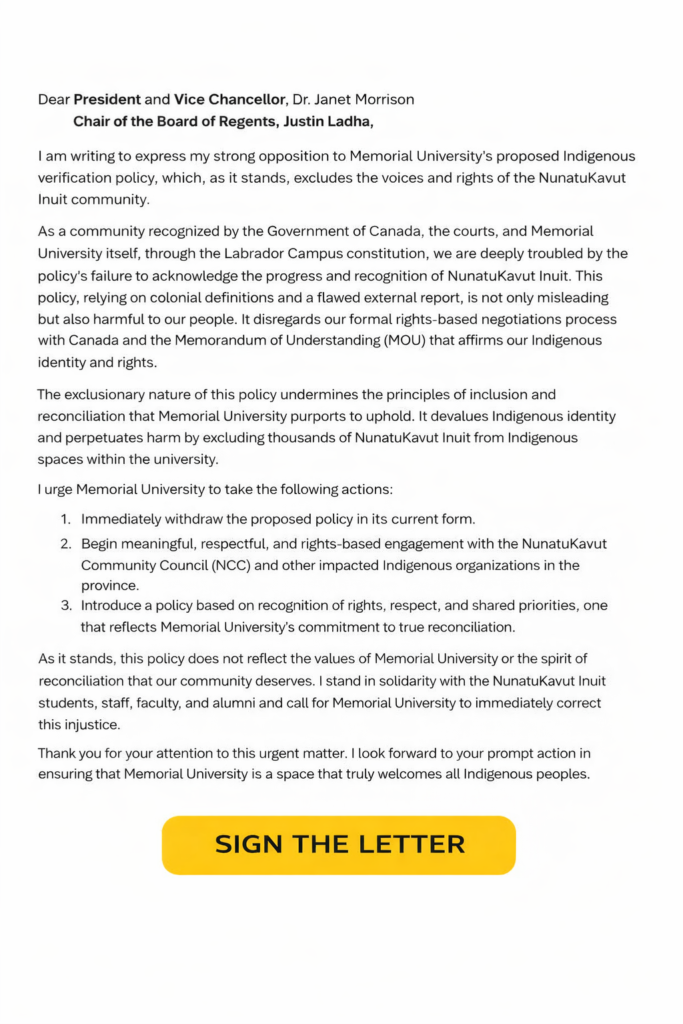
Ready to put an end to this discriminatory policy? We’re all in this together, and we have multiple ways to get involved. Sign the petition, write your own letter, or submit a templated one below if writing feels too hard. Every action—no matter how small—helps show Memorial University that this policy doesn’t reflect their stated values of truth, inclusion, or reconciliation.
Click the template below and send a letter to the President of Memorial University
SOCIAL MEDIA HIGHLIGHTS